
Pune In & Around
MAJOR TOURIST ATTRACTION IN PUNE
Pune or Poona is the second-largest city in the state of Maharashtra after Mumbai, one of the largest metropolis in India and is an important city in terms of its economic and industrial growth. Once the centre of power for the Maratha Empire, Pune’s rich historical past has made it the cultural capital of Maharashtra. Home to many colleges and universities, Pune is considered a prestigious educational destination, winning itself the title of The Oxford of the East.
Pune has emerged as a new startup hub in recent years with information technology, engineering and automotive companies setting their base here. The city is also known for cultural activities such as classical music, theatre, sports and literature. It was known as Punyanagari in olden times.
Also known as Queen of Deccan, it is situated 560 meters (1,837 feet) above sea level on the Deccan plateau at the right bank of the Mutha river.
Pune city is the administrative headquarters of Pune district and wasonce the centre of power of the Maratha Empire. Pune existed as a townsince 847 AD. It was the first capital of the Maratha Empire under Chhatrapati Shivaji Raje Bhosale.
Pune is a popular travel destination boasting many natural and historical Save tourist attractions.
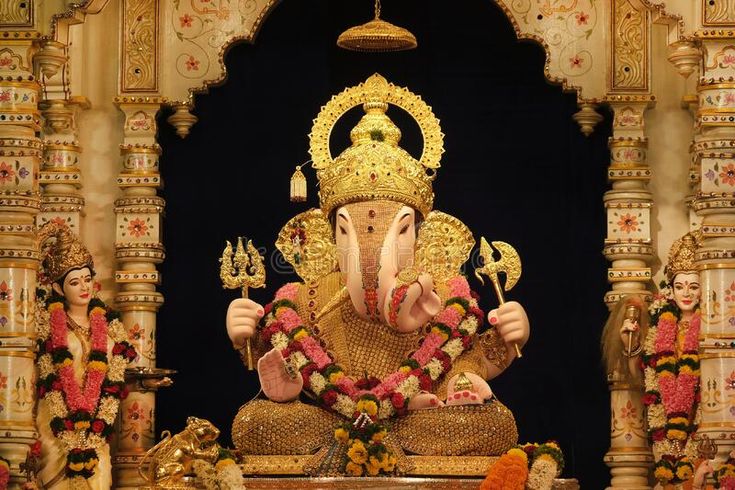
Dagadusheth Halwai Ganapati Temple: The temple was founded in 1893 by Dagadusheth Halwai, a sweetmart seller who became a wealthy businessman. Devotee Comes From all over to offer prayer at this famous temple.
Shaniwar Wada: Shaniwar Wada was the seat of the Peshwa rulers of the Maratha Empire until 1818 when the Peshwas surrendered to the British. It was built by the Peshwa Bajirao I of Maratha Dynasty in 1730. The Palace was destroyed in a big fire in 1827. The 21 feet tall massive door of the palace known as Delhi Darwaza is one of the remains of the grand old Palace.


Aga Khan Palace or Gandhi Memorial: This palace was built in 1892 by
Imam Sultan Muhammad Shah Aga khan III. During the Quit India
Movement in 1942, Mahatma Gandhi and his wife Kasturba Gandhi along with Mahadeobhai Desai were imprisoned in the palace. Kasturba
Gandhii and Mahadev Bhai Desai passed away during their captivity at
the Palace. Prince Shah Karim Aga Khan IV donated the palace to the
Government of India in 1969 as a mark of respect to Gandhiji and his
philosophy. Collection of pictures and photographs of the important
incidents in Mahatma Gandhi’s life and few of his personal items are
preserved here.
Pataleshwar Caves: Pataleshwar Caves has a long history dating back
to the 8th century AD. Situated just across the river on the Jungli Maharaj
Road, the cave temple bears resemblance with the rock-cut temples of
Ellora. Made out of a single hard rock, the temple has its main deity as Pataleshwar. The temple is used by worshippers even today.


Raja Dinakar Kelkar Museum: Established in 1962 by Baba Dinakar Kelkar and presented to the Maharashtra government in 1975, the
museum has 20,000 different articles. All the articles were personally
collected by Baba Kelkar. The 36 sections of the museum displays a
wealth of antiques, carved palace doors, pottery, 17th century miniatures, a priceless collection of nut crackers, lamps, musical items, hookah
pipes, hair drying
Combs and other such items from the Mughal and Maratha Period.
Shinde’s Chhatri: Shinde’s Chhatri was constructed as a memorial of
the Maratha noble character Shri Mahadji Shinde. The 18th century
military leader, Shri Mahadji Shinde, served as the commander-in-chief of
the Maratha army under the Peshwas from 1760 to 1780. Reminiscent of
the Maratha rule, the structure is known for its exquisite architecture that
reflects the style used in Rajasthan. Made out of iron, the entrance gate
shines till this day. The complex of the memorial had a temple, dedicated to Lord Shiva, which was built by Mahadji Shinde, in 1794.


Parvati Hill: Parvati Hill, believed to be built during the 17th century, is a
picturesque spot perched atop Pune city. It enshrines the idols of
Goddess Parvati, Lord Ganesha, Lord Vishnu, Devateshwar and Lord
Karthikeya. This temple was solely used for the prayers by the Peshwa
rulers in bygone era. A climb of 108 wide stone steps leads to the hill top
temple
Osho International Meditation Resort: Ashram of Bhagwan Rajneesh
(Osho Ashram), in a 32 acre beautiful campus, is in Koregaon Park area
of Pune. The ashram is a prime attraction for tourists who are followers of
Bhagwan Rajneesh ideologies and preaching. It is a resort for meditation
and yoga. Nearby the Commune, Osho Teerth, also known as Nulla Park,
is located.


Vishram Bagh Wada: Vishram Bagh Wada was constructed by Peshwas
during the 18th century. Made in quality wood, beautiful facades of the
structure used to be its prominent highlights. The three-storied mansion is famous for its entrance and the balcony with carved woodwork
Rajiv Gandhi Zoological Park and Katraj Snake Park: The Rajiv
Gandhi Zoological Park, managed by the Pune Municipal Corporation is
spread over 165 acres of land and has a snake park, an animal
orphanage, a zoo and the 42-acre Katraj Lake. Animals in the zoo include
Tiger, White Tiger, Leopard, Sloth bears, Sambhars, Barking deer, Black
bucks, Peafowl, Monkeys, and Elephants. Reptiles include Indian rock
python, Cobra, Snakes, Vipers, and Indian crocodiles. Amphibians such
as Indian star Tortoise also feature in the zoo. The snake park has a large
collection of snakes, reptiles, birds and turtles. There are over 160
species of snakes, including a nine foot long King Cobra.


Saras Baug: Constructed by Nanasaheb Peshwa, it is located against
the scenic background of Parvati Hills. The imposing garden is a popular
relaxation spot and is exquisite with elegant fountains and lush green
lawns. The garden houses a renowned temple constructed in 1774 by
Madhav Rao Peshwa. The temple is dedicated to Lord Ganesha and
there is a Ganesh Murti Museum, enclosing large number of Ganesh
statues. .
Pune University: Pune’s oldest education institute is the Pune University
formed in 1948. Located on 400 acres of sprawling grounds, it was once
the official residence of the Governor of Mumbai during the monsoons.
The IUCAA, one of the pioneering institutes for research in astronomy,
located in the lush green environment of Pune University.

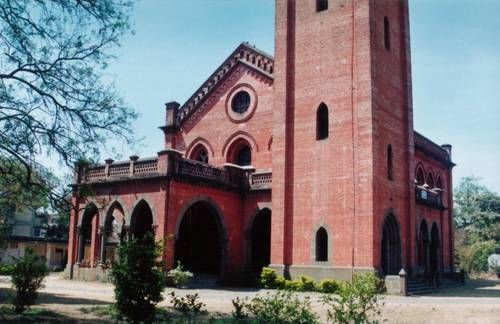
David Synagogue: David Synagogue is an example of Victorian
architectural style and constructed by David Sassoon in 1861. At the top
level of the synagogue, an exclusive prayer hall for ladies, with a gallery,
is present. Huge pillars in Gothic style and a clock tower overlooking the
whole city are prominent features of this edifice.
Tribal Museum: Tribal Museum exhibits the cultures of the tribal
communities belonging mainly to the Sahyadari and Gondwana regions.
The museum showcases collection of items like pictures and artefacts,
which depict the life as well as customs of the tribal people. Collections oftribal of the museum also include articles finding other way in the daily use of the tribal communities like Ornaments, Musical instruments, cloths, utensils, weapons and other items.


National Defence Academy: The National Defence Academy (NDA),
located in Khadakwasla, is the Joint Services academy of the Indian
Armed Forces, where cadets of the three services, the Army, the Navy and the Air Force train together before they go on to pre-commissioning
training in their respective service academies. It is the first tri-service
academy in the world.
National War Museum: National War Museum was built by Pune
citizens. The museum is made of pillars and measures 25 ft in height. Its
construction done by collecting funds from the citizens of the country
made it the only war memorial in South Asia to be built by raising funds
from the public.


Theatre: The Tilak Smarak Mandir, Bala Gandharva Rangmandir, Bharat
Natya Mandir, Yashwantrao Chavan Natyagriha and Sudarshan
Rangmanch are prominent theatres in the city. Ganesh Kala Krida
Rangamanch is the largest closed theatre in the city, with a seating
capacity of 45,000.The Sawai Gandharva Sangeet Mahotsav, one of the
most prominent and sought-after Indian classical music festivals in India
is held in Pune every year in December. It commemorates the life and
achievements of Pandit Sawai Gandharva.
MAJOR TOURIST ATTRACTION AROUND PUNE
Enjoy The Best Experience around Pune
Sinhagad: Sinhagad Fort is located at a distance of 35 km from Pune. Meaning ‘The Lion’s Fort’, it is situated on a hill rising 800 m above the surrounding countryside. Site of the Battle of Sinhagad in 1670, the fort was previously called Kondana. At an elevation of 1,350 m above sea level, the fort lies on an isolated cliff of the Bhuleswar Range of the Sahyadari Mountains.
Lonavala & Khandala: At a distance of 64km from Pune, Lonavala and Khandala, the twin hill stations nestled in the Western Sahyadris at an altitude of
625 meters. This is Located on the Pune-Mumbai expressway which blooms into a magnificent lush green landscape during the monsoons. Karla, Bhaja
and Bedsa caves, the Lohgad and Visapur Forts, Bushi Dam, Amby Valley, Lonavala Lake, Tungarli Lake, Rajmachi Point, Celebrity Wax Museum etc are
other tourist attraction nearby.
Mahableshwar & Panchgani: Once the summer capital of the Bombay presidency, the little town of Mahabaleshwar, situated 1372 m above sea level, was founded in 1828 and is the highest and the biggest hill station in the Sahyadri mountain range. Mahableshwar is the origin of five sacred rivers of
Maharashtra, Krishna, Koyna, Venna, Savitri & Gayatri. The distance from Pune is around 115 km and together with Panchgani, it forms a popular holiday resort, honeymoon destination and a pilgrimage site. Panchgani at a height of 1000 m gets its name from the five hills on which it is built. The major tourist attractions are Hunter Point, Arthur’s Seat, Tiger Falls, Echo Point, Pratapgad Fort, Table Land, Wilson Point, Bombay Point, Veena Lake, Tapola etc. Mahabaleshwar is also famous for its strawberries, mulberries and carrots. Beside fresh air, unspoiled natural beauty, breathtaking panoramic views and lush greeneries Panchgani is also renowned for international quality education and there are many boarding schools offering high standard facilities for the children.
Ashta Vinayak : Eight (Astha) naturally-formed sculpted stone statues have been housed in old temples at the places where these statues were first found. The Ashta Vinayak temples are within the range of 20 to 110 kms of each other.
Bhimashankar: There is a beautiful temple of Lord Shiva which is one of the 12 Jyotirlingas in India and one of the five Jyotirlingas found in Maharashtra. Bhimashankar is 110 kms away from Pune and is a good paradise for nature lovers, trekkers, jungle lovers and bird watchers. Lord Shiva after getting angry, killed Rakshas Tripurasura. The heat generated from their war caused the origin of river Bhima. That is why it is called Bhimashankar.
Shirdi: Shirdi was the home of Sai Baba, the great saint of the 20th century. The saint lived in Shirdi for more than 50 years of his life. He made the small village a big pilgrimage site for devotees. Devotees of all faiths and communities and all walks of life from all over the world comes to Shirdi to pay their respect to Sai Baba.
Beside these there are lot many places around Pune which is famous tourist destination like Alandi, Jejuri, Dehu, Trimbakeshwar, Shani Shingnapur, Pandharpur, Narayangaon, Matheran, Alibag, Karnala, Malshej Ghat, Murud Janjira, Mumbai etc.